












What Is an NPK Soil Nutrient Sensor and How Does It Help Check Soil Health?
If you are into farming, gardening, or hydroponics, you have probably heard the term NPK thrown around. But what does it actually mean, and how can a small device tell you exactly what your soil needs? In this guide, we will break down what an NPK soil nutrient sensor is, how it works, why it is a game-changer for organic hydroponic farming, and what other tools you should be using alongside it.

What Does NPK Stand For?
NPK stands for the three primary macronutrients every plant needs to survive and thrive:
N – Nitrogen: Essential for leaf growth and chlorophyll production.
P – Phosphorus: Critical for root development, flowering, and fruiting.
K – Potassium: Regulates water uptake, enzyme activation, and overall plant health.
Without the right balance of these three nutrients, crops suffer from stunted growth, poor yields, and increased vulnerability to disease. The challenge? Soil nutrient levels change constantly due to weather, irrigation, and crop uptake. That is where the NPK soil nutrient sensor comes in.
What Is an NPK Soil Nutrient Sensor?
An NPK soil nutrient sensor is an electronic device designed to measure the concentration of nitrogen, phosphorus, and potassium in soil or growing media in real time. Unlike traditional lab testing—which requires collecting samples, sending them off, and waiting days for results—these sensors provide instant, on-site data that helps farmers and growers make immediate decisions.
Most NPK sensors are probe-based. You insert the probes into the soil, and the device displays current N, P, and K levels on a screen or transmits data to a monitoring system. Depending on the model, sensors may also track additional parameters like soil moisture, temperature, pH, EC, and salinity.

Our NPK Sensor Product Range
At Uniglobal Business, we stock a curated range of NPK sensors to suit every scale of operation—from hobbyist growers to commercial farms. Here are our latest additions:
Model: THE01888. This USB-powered integrated sensor delivers accurate readings of soil EC, pH, moisture, temperature, and NPK. It features real-time data visualization via a mobile app with data storage and local export capability. The IP68-rated plastic housing ensures long-term use across outdoor fields and high-tech greenhouses. DC 5V power supply, max consumption 0.5W, accuracy 0.1 pH.
3-In-1 Soil Nutrient Meter – Portable NPK Analyzer
A rugged, IP68 waterproof stainless-steel probe that measures Nitrogen, Phosphorus, and Potassium in real time. Measurement range: 1–1999 mg/kg with ±2% FS accuracy and <1 second response time. Outputs via RS485 Modbus RTU for seamless IoT and smart farming integration. Operates on DC 5–30V with ≤0.15W power consumption. Temperature range: -40°C to +80°C. Ideal for direct soil insertion and long-term field deployment.
Our most comprehensive soil analyzer. Measures eight parameters simultaneously: soil moisture (0–100% V/V), temperature (-40°C to 80°C), EC (0–20,000 μS/cm), salinity (0–1,000 ppm), pH (3–9), nitrogen (0–1,999 mg/kg), phosphorus (0–1,999 mg/kg), and potassium (0–1,999 mg/kg). Features a corrosion-resistant alloy electrode, epoxy resin vacuum sealing, and IP68 waterproofing. Standard RS485 Modbus-RTU output with optional wireless: LORA, LoRaWAN, GPRS/4G, WiFi, or RJ45 Ethernet. Stabilization time: 1 minute after power-on. Response time: <10 seconds. Standard 2-meter cable, customizable up to 1,200 meters. Suitable for surface measurement or buried installation.
How NPK Sensors Help in Organic Hydroponic Farming
Hydroponic farming grows plants without soil, using nutrient-rich water solutions instead. In organic hydroponics, synthetic fertilizers are replaced with organic nutrient sources like compost tea, fish emulsion, or seaweed extracts. This makes nutrient monitoring even more critical—and more complex.
Here is how NPK sensors directly benefit organic hydroponic operations:
1. Real-Time Nutrient Balance
Organic nutrient solutions are less predictable than synthetic ones. Their composition shifts as organic matter breaks down. NPK sensors allow growers to track nitrogen, phosphorus, and potassium levels continuously, ensuring plants never face a deficiency or toxic overload.
2. Precision Fertilization
Over-fertilization is a common problem in hydroponics and can lead to nutrient lockout or root burn. By monitoring NPK in real time, farmers apply only what is needed, reducing waste and keeping the system truly organic.
3. Cost and Labor Savings
Instead of sending water samples to a lab every week, a buried NPK sensor feeds data directly to your phone or computer. This is especially valuable for large-scale hydroponic farms where manual testing across hundreds of grow beds is impractical.
4. Integration with Smart Systems
Our 3-In-1 Soil Nutrient Meter and 8-In-1 NPK Soil Meter both support RS485 Modbus-RTU protocol, enabling direct integration with Arduino, Raspberry Pi, data loggers, PLCs, and IoT platforms. The 8-In-1 also offers optional LORA, LoRaWAN, GPRS/4G, WiFi, and RJ45 Ethernet for cloud-based remote monitoring.
5. Environmental Protection
Unlike traditional lab testing, our 8-In-1 NPK Soil Meter uses electrode-based sensing technology with zero recurring chemical costs. Insert the probe and get instant results—unlimited testing, no reagents.
Other Essential Tools to Check Soil and Nutrient Health
An NPK sensor is powerful, but it does not tell the whole story. Here are the other critical tools every grower should use:
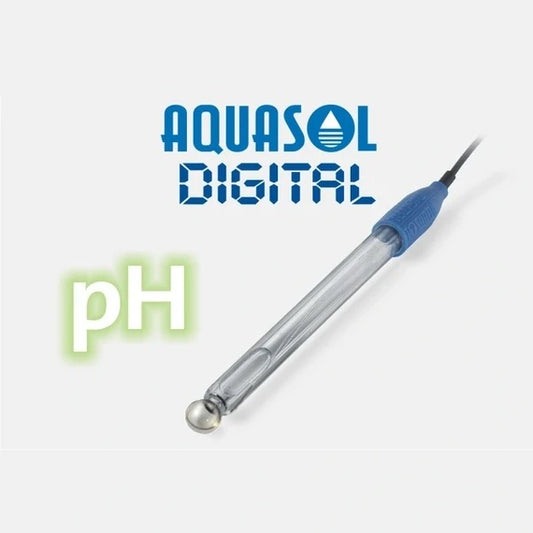
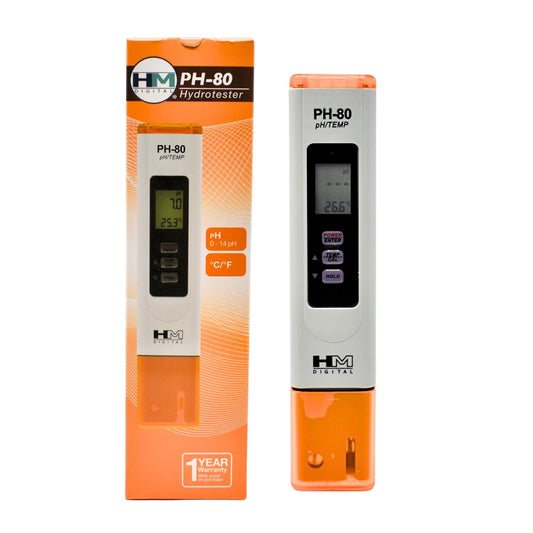
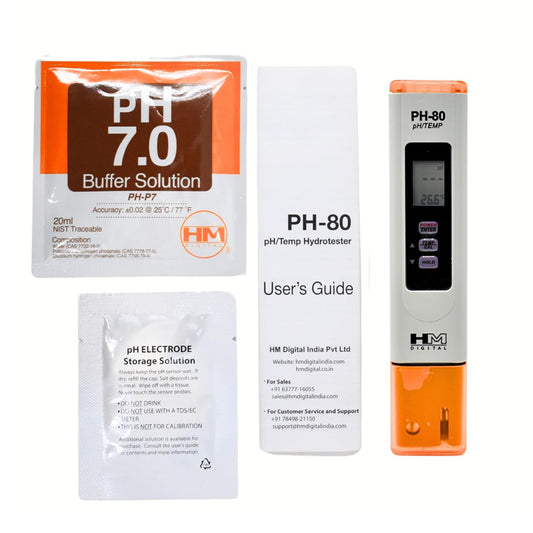
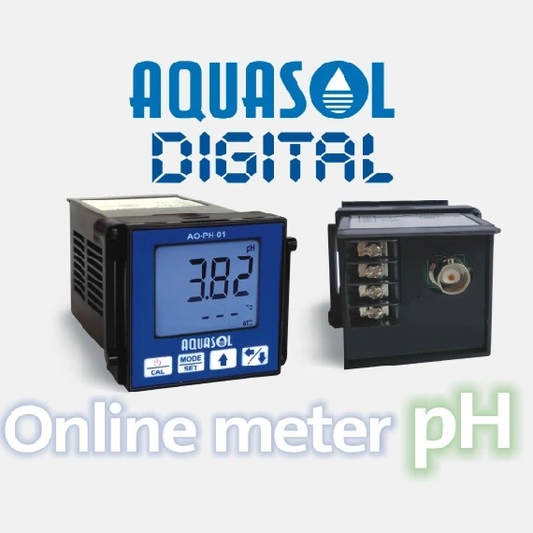
1. pH Sensor / pH Meter
Why it matters: Soil or solution pH determines nutrient availability. Even if NPK levels are perfect, plants cannot absorb nutrients if the pH is wrong. Most crops prefer a pH of 6.5–7.0 for soil and 5.8–6.5 for hydroponics.
Digital pH meters offer precise, reusable readings but require regular calibration.
pH test strips are cheaper and faster but sacrifice accuracy.
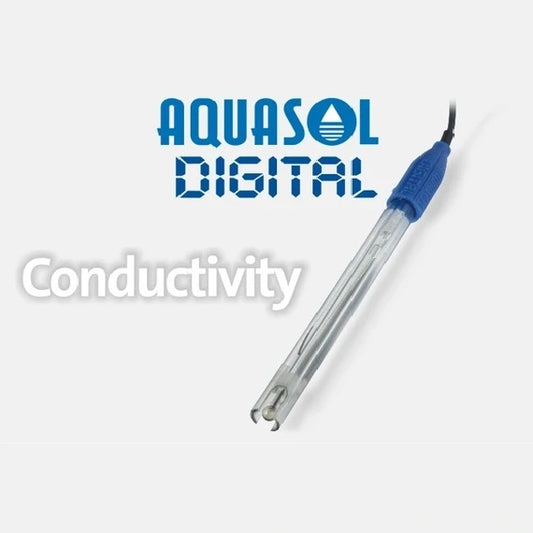
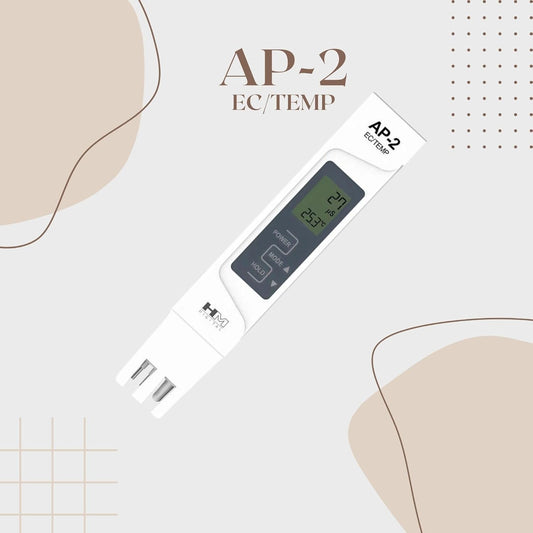
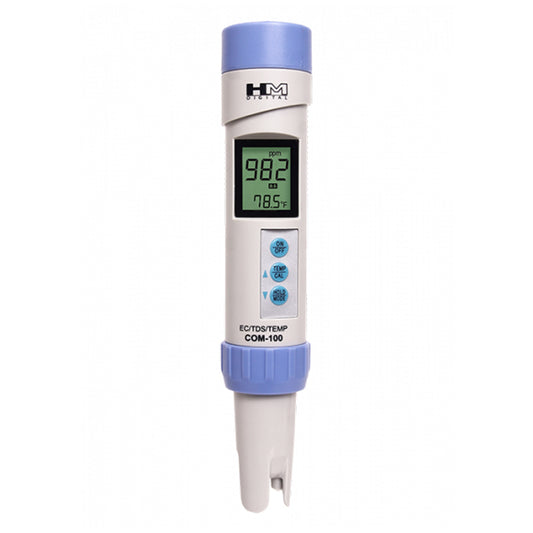
2. EC (Electrical Conductivity) Meter
Why it matters: EC measures the total dissolved salts in your solution, giving you a broad picture of overall nutrient strength. It does not tell you which nutrients are present, but it confirms whether your solution is too weak or too concentrated.
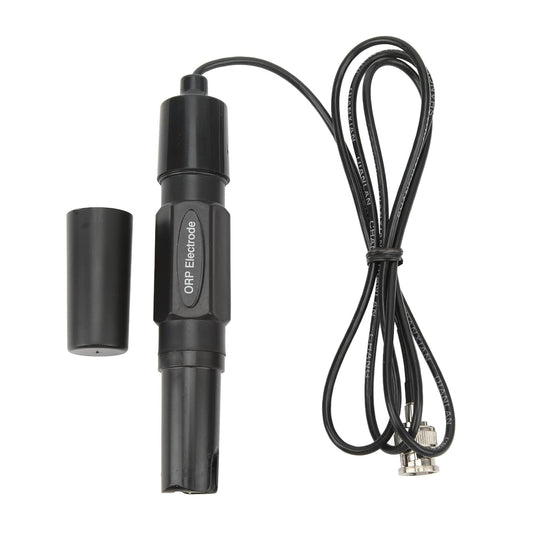
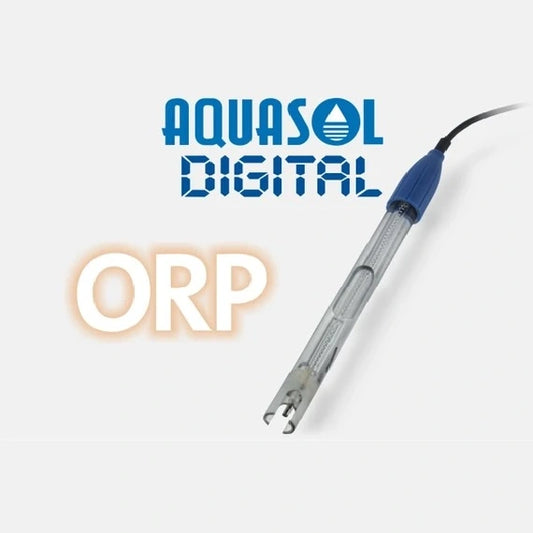
3. ORP (Oxidation-Reduction Potential) Sensor
Why it matters: ORP measures the sanitization potential of your hydroponic nutrient solution. In organic systems where chemical disinfectants are avoided, ORP helps monitor microbial activity and detect harmful bacterial buildup before it damages crops.
4. Soil Moisture Sensor
Why it matters: Water and nutrient uptake are directly linked. A moisture sensor ensures your irrigation schedule matches actual soil conditions, preventing both drought stress and root rot.
5. Soil Temperature Sensor
Why it matters: Nutrient availability and microbial activity are temperature-dependent. Cold soil slows nitrogen mineralization; overly warm soil can increase salinity stress.
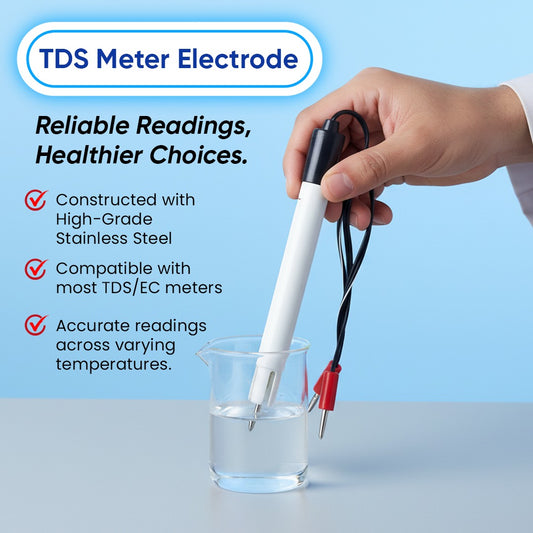
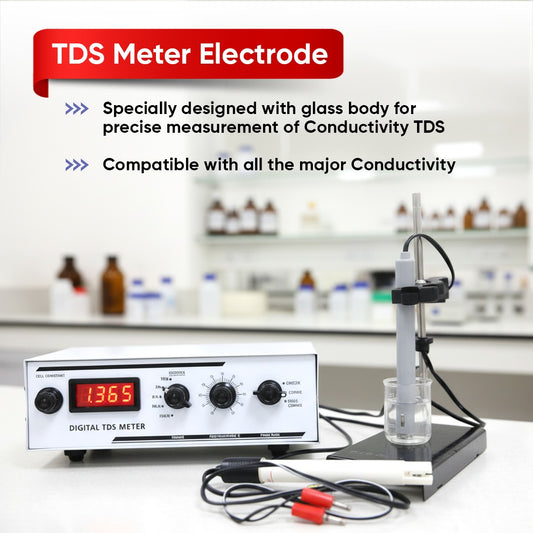
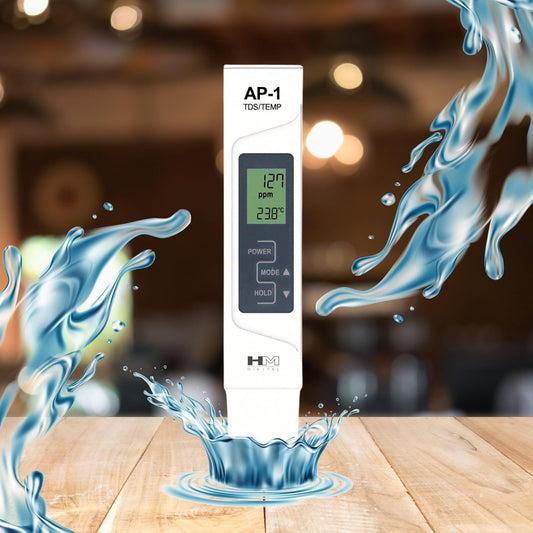
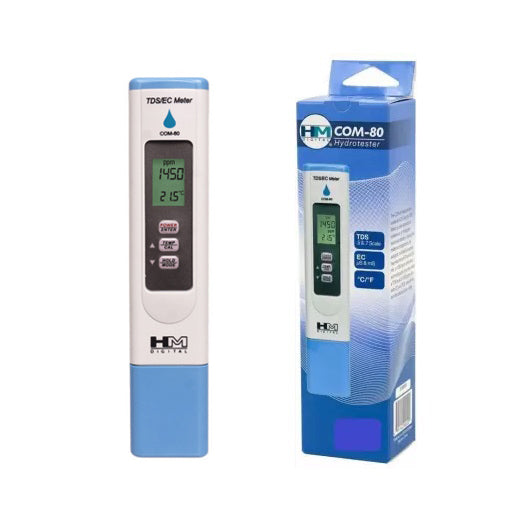
6. TDS (Total Dissolved Solids) Meter
Why it matters: TDS gives a quick snapshot of all dissolved solids in your water or nutrient solution. It is often used alongside EC meters for a complete picture of solution strength.
Final Thoughts
The NPK soil nutrient sensor is no longer a luxury—it is a necessity for modern, data-driven agriculture. Whether you are managing a backyard organic hydroponic setup or a commercial vertical farm, real-time NPK monitoring helps you optimize yields, cut fertilizer waste, and stay true to organic principles.
But remember: no single sensor tells the full story. Pair your NPK sensor with pH, EC, ORP, and moisture monitoring tools to build a complete soil health dashboard. When these tools work together, you move from guesswork to precision—and that is where sustainable, profitable farming begins.
Ready to upgrade your farm's monitoring system? Explore Uniglobal Business's range of smart agriculture sensors and take the first step toward precision organic farming today.
Frequently Asked Questions (FAQs)
What does NPK stand for in soil testing?
NPK stands for Nitrogen (N), Phosphorus (P), and Potassium (K) — the three primary macronutrients essential for plant growth. Nitrogen supports leaf development, phosphorus aids root and flower growth, and potassium regulates water uptake and overall plant health.
How does an NPK soil sensor work?
NPK soil sensors use electrochemical, spectral analysis, or ion-selective electrode technology to detect nutrient ion concentrations in the soil. Probe-based sensors generate an electrical signal proportional to the ion concentration, which is then converted into readable N, P, and K values.
Can NPK sensors be used in hydroponic farming?
Yes. NPK sensors are highly effective in hydroponic and organic hydroponic systems where nutrient solutions require constant monitoring. They provide real-time data that helps prevent deficiencies, toxicities, and over-fertilization without relying on synthetic chemicals.
What is the difference between a 3-in-1 and an 8-in-1 NPK sensor?
A 3-in-1 NPK sensor measures only Nitrogen, Phosphorus, and Potassium. An 8-in-1 NPK sensor measures those three nutrients plus soil moisture, temperature, EC (electrical conductivity), pH, and salinity — all in a single device.
Do NPK sensors require chemical reagents?
No. Modern electrode-based NPK sensors do not require chemical reagents. You simply insert the probe into the soil or solution and get instant readings with zero recurring costs.
What is the ideal pH range for nutrient availability?
For soil-based crops, the ideal pH range is 6.5–7.0. For hydroponic systems, it is 5.8–6.5. Outside these ranges, plants struggle to absorb NPK and other nutrients even if they are present in adequate amounts.
What other tools should I use alongside an NPK sensor?
You should pair your NPK sensor with a pH meter, EC meter, ORP sensor, soil moisture sensor, soil temperature sensor, and TDS meter for a complete soil health monitoring system.
Can NPK sensors integrate with IoT and smart farming systems?
Yes. Many NPK sensors support RS485 Modbus-RTU protocol, making them compatible with Arduino, Raspberry Pi, PLCs, data loggers, and IoT platforms. Advanced models also offer optional wireless connectivity like LORA, LoRaWAN, 4G, WiFi, and Ethernet.
Are NPK sensors waterproof?
Most professional-grade NPK sensors come with an IP68 waterproof rating, meaning they can withstand long-term burial in soil or submersion in water for continuous 24/7 monitoring.
How accurate are NPK sensors?
Accuracy varies by model. High-quality sensors typically offer ±2% FS accuracy for NPK readings and 0.1 pH accuracy for pH measurement. Always check the manufacturer's specifications before purchasing.
🔍 Looking for More NPK Soil Meters ?
Explore our full collection of 4 in 1 Soil NPK Tester, 7-in-1 Soil NPK Sensor
View All NPK Soil Meters →