












How to Measure Turbidity in Water Treatment Plants? How to Measure It?
A complete guide to turbidity measurement methods, best practices, and instrumentation for water treatment facilities.
What Is Turbidity and Why Does It Matter?
Turbidity refers to the cloudiness or haziness of a fluid caused by large numbers of individual particles that are generally invisible to the naked eye. In water treatment, these particles include suspended solids, organic matter, algae, bacteria, and other microscopic contaminants.
High turbidity is more than an aesthetic issue. It reduces the effectiveness of disinfection processes, harbors pathogens, and can indicate broader water quality problems. For treatment plants, monitoring turbidity is not optional — it is a regulatory requirement and a cornerstone of public health protection.

Common Causes of Turbidity in Source Water
Before measuring, it helps to understand where turbidity originates:
- Soil erosion and runoff after rainfall
- Algal blooms in reservoirs and lakes
- Industrial discharge and urban wastewater
- Sediment disturbance from construction or natural events
- Microbial growth and organic decay
How to Measure Turbidity: The Standard Methods
Gold Standard Nephelometric Method
The most widely accepted technique for measuring turbidity is nephelometry. A nephelometer, or turbidimeter, directs a light beam through a water sample and measures the intensity of light scattered at a 90-degree angle by suspended particles.
Field Method Visual Comparison Methods
For field applications or preliminary assessments, Secchi disks and Jackson Candle Turbidimeters offer low-tech alternatives. These rely on human observation rather than optical sensors.
- Secchi disk: A black-and-white disk lowered into water until it disappears from sight. The depth of disappearance correlates roughly with turbidity.
- Jackson Candle method: Measures the depth of a water column through which a candle flame remains visible.
Lab Method Gravimetric Analysis
In laboratory settings, turbidity-related suspended solids can be quantified by filtering a known water volume through a pre-weighed filter, drying the residue, and weighing the result.
Where to Measure Turbidity in a Treatment Plant
Strategic placement of turbidity sensors ensures process control and compliance:
| Location | Purpose |
|---|---|
| Raw water intake | Assess source water quality and adjust coagulant dosing |
| Post-coagulation/flocculation | Verify particle aggregation before sedimentation |
| Post-filtration | Confirm filter performance and detect breakthrough |
| Final treated water | Ensure regulatory compliance before distribution |
| Distribution network | Monitor for post-treatment contamination or biofilm |
Key Considerations for Accurate Measurement
Calibrate Regularly
Optical sensors drift over time. Calibrate turbidimeters using formazin standards or stabilized polymer suspensions at intervals recommended by the manufacturer — typically monthly or quarterly.
Control Temperature and Bubbles
Temperature fluctuations and entrained air bubbles can scatter light and produce false readings. Allow samples to reach ambient temperature and degas when necessary.
Prevent Fouling
Biological growth and mineral deposits on sensor lenses degrade accuracy. Implement automated cleaning systems or establish routine manual maintenance schedules.
Match Method to Application
Online nephelometry suits continuous process control. Benchtop units work well for grab-sample verification. Choose instruments with appropriate detection ranges — high-range sensors for raw water, ultra-low-range for finished water.
Turbidity Meters Available at Uniglobal Business
At Uniglobal Business, we import and distribute laboratory-grade turbidity measurement instruments suited for water treatment facilities, testing labs, and industrial applications.
Microprocessor-Based Turbidity Meter (HIC-A 142)
This benchtop unit is ideal for laboratory compliance testing, quality control, and process verification in water treatment plants.
- Measurement Range: 0 to 1000 NTU in two selectable ranges
- Accuracy: ±3% FS + 1 digit
- Resolution: 0.1 NTU in the lowest range
- Display: 16 × 2 line alphanumeric backlit LCD
- Data Storage: 1000 samples with date and time stamp
- Connectivity: RS232 serial and Parallel Centronics interface
- Temperature: Built-in temperature measurement (PT-100 probe included)
- Keypad: 6-key soft touch membrane keypad
- Dimensions: 250 × 240 × 100 mm
Accessories included: Glass spherical sample cuvettes (3 pcs), RS232 cable, operation manual with demo video CD
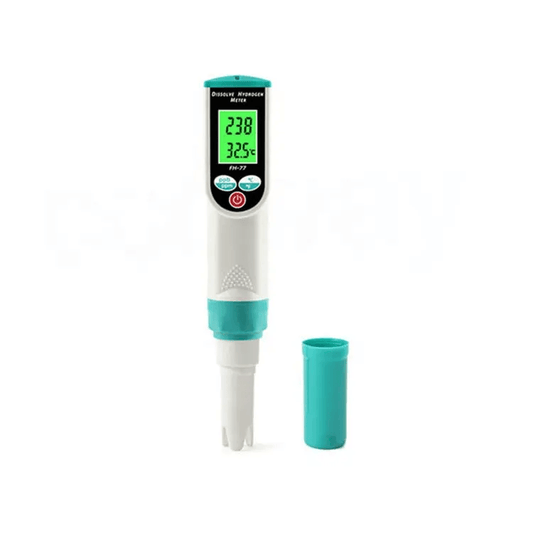
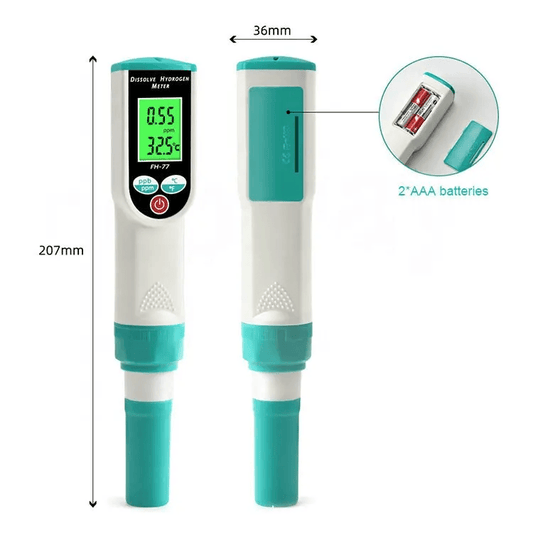
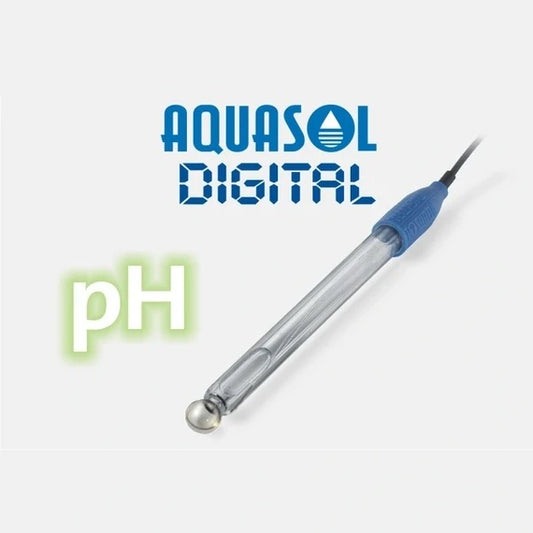
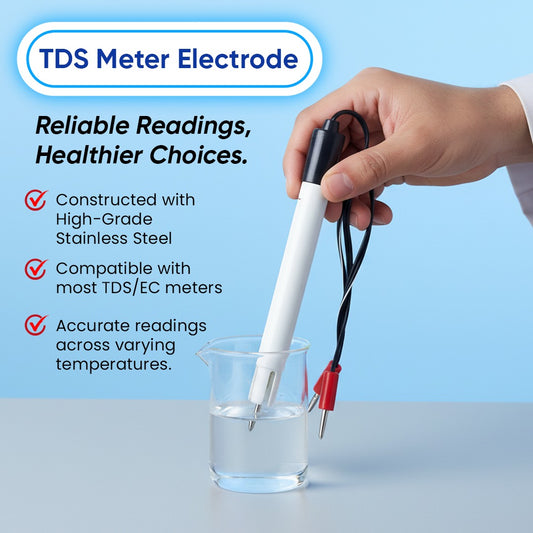
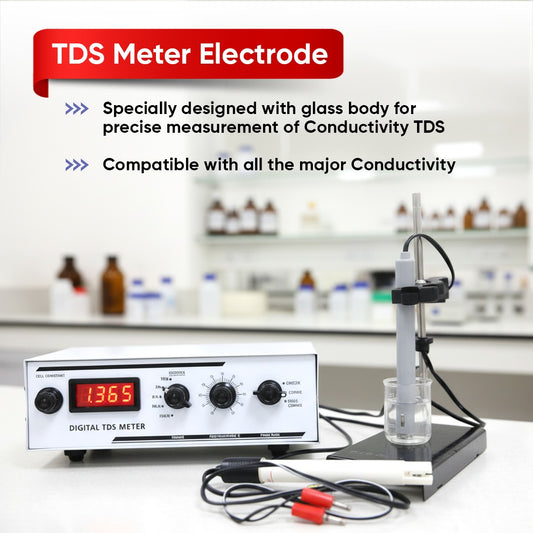
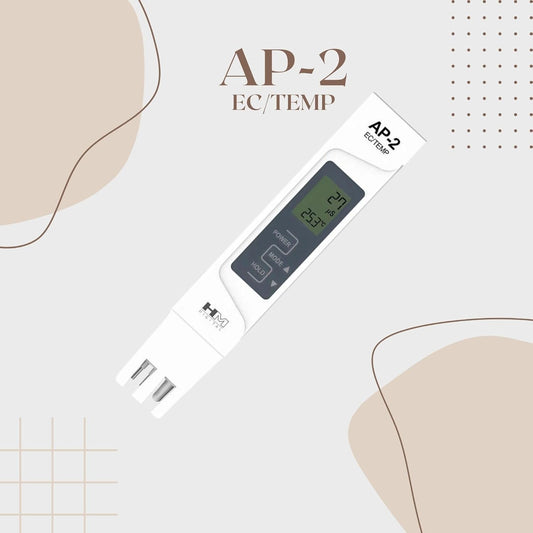
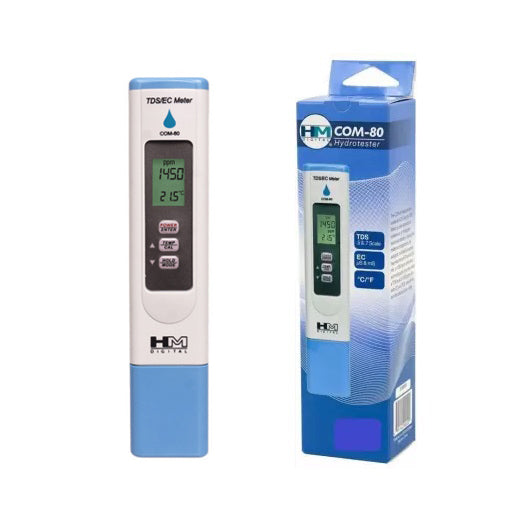
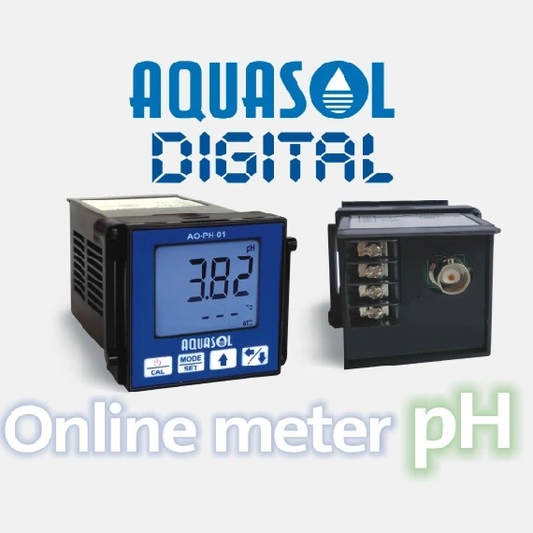
We also offer digital turbidity meters (Aquasol Digital Turbidity Meter APTB01) and complementary water quality instruments including pH meters (Uniglobal Business PH2-Pro), TDS/EC testers, and ORP meters to support comprehensive water analysis.
Conclusion
Measuring turbidity in water treatment plants begins with understanding the source of cloudiness and selecting the right method for the application. Nephelometric turbidimetry remains the trusted standard for precision and regulatory alignment, while simpler methods serve specific field needs. Strategic instrument placement, rigorous calibration, and proactive maintenance transform turbidity data into actionable intelligence.
At Uniglobal Business, we supply reliable, microprocessor-based turbidity meters and water quality testing instruments imported for the Indian market. Whether you need a benchtop unit for laboratory compliance or portable testers for field use, our product range covers essential water analysis needs.
Get Expert Advice on Turbidity Measurement
For product inquiries, specifications, or best pricing on turbidity meters, contact our team today Call +91-9312349595.
Frequently Asked Questions
What is the standard unit for measuring turbidity in water treatment plants?
The standard unit is Nephelometric Turbidity Unit (NTU), measured using a nephelometric turbidity meter that detects light scattered at a 90-degree angle by suspended particles.
What is the acceptable turbidity level for drinking water?
Most regulatory bodies require treated drinking water to remain below 1.0 NTU, with many treatment plants targeting 0.3 NTU or lower at the plant outlet to ensure effective disinfection.
What is the difference between a digital turbidity meter and a microprocessor-based turbidity meter?
A digital turbidity meter (Aquasol APTB01) typically offers direct digital readouts for quick field or lab testing, while a microprocessor-based turbidity meter like the HIC-A 142 includes advanced features such as data storage (1000 samples), RS232/Parallel connectivity, temperature compensation, and higher precision for compliance testing.
How often should turbidity meters be calibrated?
Turbidity meters should be calibrated monthly or quarterly depending on usage intensity, using formazin standards or certified polymer suspensions as recommended by the manufacturer.
Where should turbidity sensors be placed in a water treatment plant?
Key locations include raw water intake (for source assessment), post-coagulation/flocculation (for process control), post-filtration (for filter performance), and final treated water (for regulatory compliance).
What turbidity meter range is suitable for water treatment plants?
A 0 to 1000 NTU range covers most water treatment applications, from low-turbidity finished water to high-turbidity raw water. The HIC-A 142 turbidity meter offers dual-range measurement for this purpose.
Can turbidity meters measure temperature simultaneously?
Yes. Advanced models like the HIC-A 142 include a PT-100 temperature probe for simultaneous temperature measurement, which is important because temperature affects turbidity readings.
