












pH vs. ORP in Water Testing — Understanding the Difference
Water quality management has become a critical operational requirement across modern industries. From wastewater treatment facilities and pharmaceutical manufacturing units to food processing plants and environmental laboratories, accurate water testing directly impacts safety, efficiency, and regulatory compliance.
While several parameters define water quality, pH and Oxidation Reduction Potential (ORP) remain two of the most frequently measured — and often misunderstood — indicators. Many facilities rely heavily on pH monitoring alone, assuming it provides complete control over water chemistry. However, experienced operators understand that pH tells only part of the story.
To truly evaluate treatment performance and system stability, pH and ORP must be monitored together. This article explains the practical difference between these parameters, their industrial importance, and why combining both measurements leads to smarter water management.

Understanding pH: The Foundation of Water Chemistry
pH represents the level of acidity or alkalinity in water and is measured on a scale from 0 to 14.
- Values below 7 indicate acidic conditions
- A value of 7 represents neutrality
- Values above 7 indicate alkaline conditions
Although pH measurement appears simple, its influence on industrial processes is extensive. Nearly every chemical reaction occurring in water depends on maintaining an appropriate pH range.
Why pH Monitoring is Essential
Maintaining stable pH levels ensures:
- Efficient chemical reactions
- Proper biological activity in treatment systems
- Reduced corrosion and scaling in pipelines
- Consistent product quality in manufacturing processes
- Compliance with environmental discharge regulations
For example, biological wastewater treatment relies on microorganisms that function effectively only within controlled pH limits. Even small deviations can reduce microbial efficiency and disrupt treatment performance.
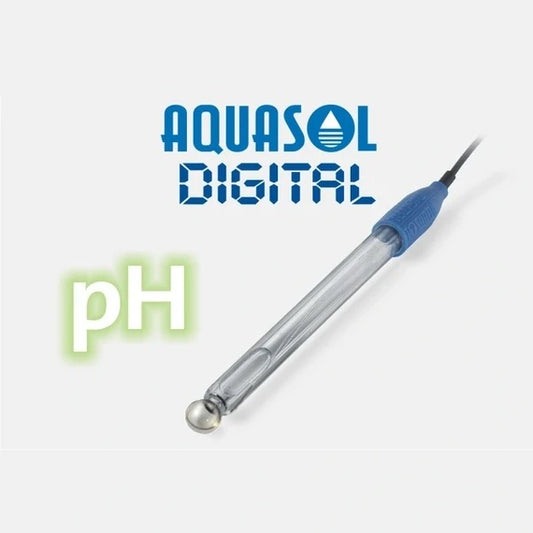
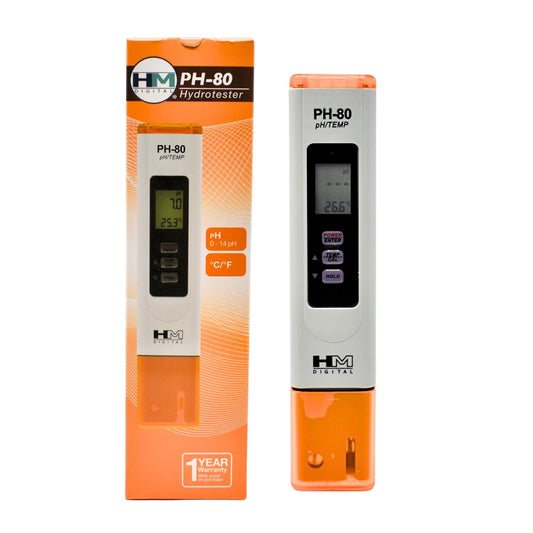
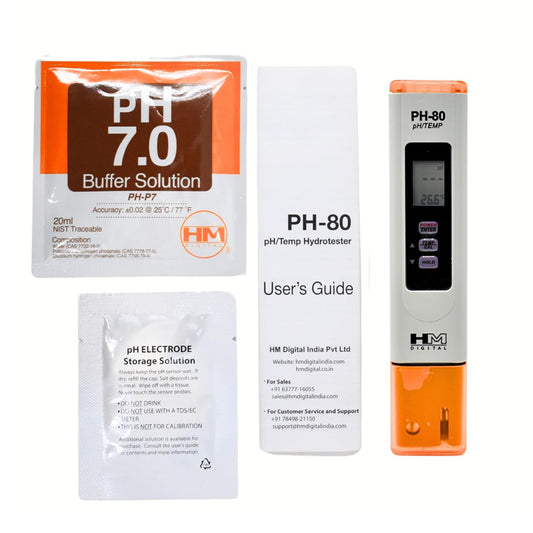
Accurate measurement therefore requires dependable instruments rather than basic testing methods. Industrial operators across India increasingly depend on precision monitoring solutions available at Uniglobal Business, known for supplying reliable water testing instruments for professional applications.
Explore professional pH monitoring solutions here: 👉https://uniglobalbusiness.com/collections/ph-meter

What is ORP and Why Does It Matter?
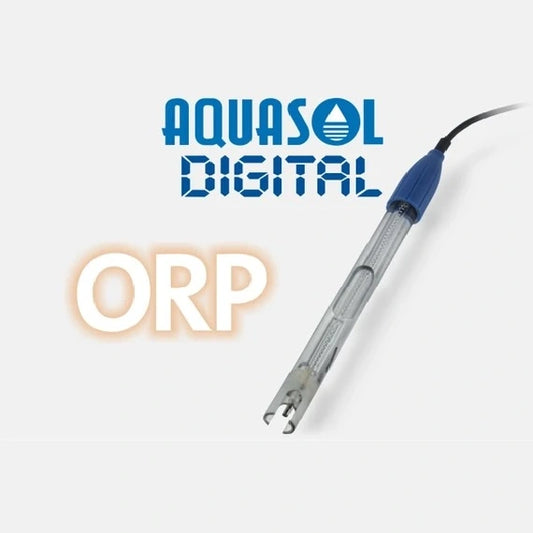
While pH measures water balance, ORP measures water activity. Oxidation Reduction Potential indicates the ability of water to either gain or lose electrons during chemical reactions. Expressed in millivolts (mV), ORP provides real-time insight into the effectiveness of oxidation processes such as disinfection and contaminant breakdown.
Practical Meaning of ORP Values
- Higher ORP → Strong oxidation environment → Effective disinfection
- Lower ORP → Weak oxidation potential → Reduced sanitation performance
In practical terms, ORP answers a question that pH cannot: “Is the treatment process actually working?”
Industrial Applications of ORP Monitoring
ORP measurement plays a crucial role in:
- Drinking water disinfection systems
- Wastewater and effluent treatment plants
- Cooling tower maintenance
- Food and beverage sanitation control
- Swimming pool and recreational water management
- Pharmaceutical production environments
Chemical dosing alone does not guarantee sanitation. ORP confirms whether disinfectants such as chlorine or ozone are actively performing as intended.
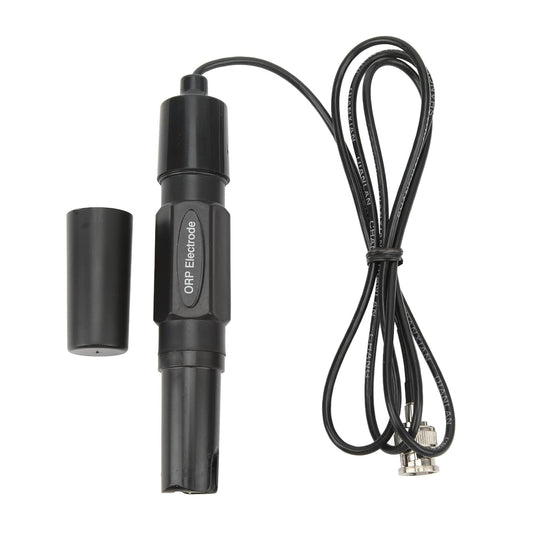
Reliable ORP monitoring instruments are available here: 👉https://uniglobalbusiness.com/collections/orp-meter
pH vs. ORP — Understanding the Operational Difference
Although interconnected, pH and ORP provide fundamentally different insights into water quality
| Indicates | Acidity/Alkalinity | Oxidation effectiveness |
| Measurement Unit | pH scale | Millivolts (mV) |
| Operational Role | Chemical balance contro | Disinfection performance |
| Process Insight | Water condition | Treatment efficiency |
A system may show ideal pH values yet still fail to eliminate contaminants. Conversely, strong oxidizing conditions may become unstable if pH levels fluctuate. This is why experienced treatment engineers treat these parameters as complementary rather than interchangeable.
Why Modern Facilities Monitor Both Parameters
Industrial water systems are dynamic environments influenced by temperature variations, contaminant loads, biological activity, and chemical interactions. Monitoring a single parameter creates blind spots that can lead to operational inefficiencies.
Advantages of Combined Monitoring
Improved Disinfection Reliability Disinfectant effectiveness changes with pH variation. ORP confirms real-time sanitization performance.
Optimized Chemical Consumption Accurate monitoring prevents chemical overdosing, reducing operating costs.
Stable Treatment Processes Continuous monitoring allows operators to respond before system imbalance occurs.
Equipment Longevity Balanced chemistry minimizes corrosion, scaling, and unexpected maintenance.
Regulatory Assurance Environmental authorities increasingly emphasize measurable treatment performance rather than theoretical dosing levels.
Real Operational Scenario
- Consider a wastewater treatment plant experiencing inconsistent bacterial removal despite maintaining acceptable pH levels.
- Without ORP monitoring, operators may increase chemical dosage unnecessarily, raising costs without solving the issue. Once ORP is measured, it may reveal insufficient oxidation potential
- By adjusting treatment based on both pH and ORP data, performance stabilizes immediately.
- This practical example highlights why modern plants avoid relying on single-parameter monitoring.
Selecting the Right Monitoring Equipment
Measurement accuracy depends heavily on instrument reliability. Industrial environments demand equipment capable of delivering precise readings under continuous use. Uniglobal Business has emerged as a trusted supplier of water quality monitoring instruments across India, supporting industries with practical and durable solutions designed for real conditions.
Their instruments are widely used in:
- STP and ETP facilities
- Environmental testing laboratories
- Chemical processing industries
- Aquaculture operations
- Food and pharmaceutical manufacturing units
- Research and educational institutions
Instead of generic consumer devices, professionals benefit from instruments engineered specifically for industrial performance.
Explore the complete range of water testing instruments here: 👉 https://uniglobalbusiness.com
The Shift Toward Smarter Water Monitoring
Water management practices are evolving rapidly. Automation, digital monitoring, and datadriven decision-making are reshaping how industries approach treatment efficiency. Modern facilities no longer rely on periodic manual testing alone. Continuous monitoring of critical parameters such as pH and ORP enables proactive control rather than reactive troubleshooting
Organizations adopting integrated monitoring strategies report:
- Reduced operational costs
- Improved compliance readiness
- Greater process consistency
- Faster troubleshooting and decision-making
Understanding both parameters is therefore not just technical knowledge — it is a strategic operational advantage.
Conclusion
pH and ORP serve distinct yet equally important roles in water testing
- pH ensures chemical balance and system stability.
- ORP verifies treatment effectiveness and disinfection performance.
Monitoring only one parameter provides incomplete information and increases operational risk. Combining both measurements delivers a comprehensive understanding of water chemistry, allowing industries to maintain efficiency, safety, and compliance with confidence. As water treatment standards continue to advance, investing in accurate monitoring solutions from reliable providers such as Uniglobal Business enables organizations to move toward smarter, more sustainable water management practices. Because effective water treatment does not depend on assumptions — it depends on accurate measurement and informed control.
Frequently Asked Questions (FAQs)
What is the main difference between pH and ORP in water testing?
pH measures the acidity or alkalinity of water, indicating its chemical balance, while ORP measures the oxidation or reduction potential, showing how effective the water is at disinfecting or breaking down contaminants. Both parameters serve different purposes and should be monitored together for accurate water quality analysis.
Why is pH monitoring important in industrial water treatment?
pH monitoring helps maintain stable chemical reactions, supports biological treatment processes, prevents corrosion or scaling in equipment, and ensures compliance with environmental discharge standards. Incorrect pH levels can significantly reduce treatment efficiency.
What does ORP indicate in water treatment systems?
ORP indicates the effectiveness of oxidation processes such as chlorination or ozonation. A higher ORP value generally means stronger disinfection capability, ensuring harmful microorganisms and contaminants are effectively controlled.
Can water quality be managed using only pH measurement?
No. pH alone cannot confirm whether disinfection or oxidation processes are working properly. ORP monitoring is required alongside pH measurement to evaluate real treatment performance.
Where are pH and ORP monitoring commonly used?
pH and ORP monitoring are widely used in wastewater treatment plants, drinking water facilities, No. pH alone cannot confirm whether disinfection or oxidation processes are working properly. ORP monitoring is required alongside pH measurement to evaluate real treatment performance. cooling towers, swimming pools, food processing industries, pharmaceutical manufacturing, aquaculture systems, and environmental laboratories.
How often should pH and ORP levels be monitored?
No. pH alone cannot confirm whether disinfection or oxidation processes are working properly. ORP monitoring is required alongside pH measurement to evaluate real treatment performance.
Where are pH and ORP monitoring commonly used?
No. pH alone cannot confirm whether disinfection or oxidation processes are working properly. ORP monitoring is required alongside pH measurement to evaluate real treatment performance.
How often should pH and ORP levels be monitored?
In industrial environments, continuous or regular real-time monitoring is recommended to quickly detect process changes and maintain consistent water quality control.
Which instruments are recommended for accurate pH and ORP measurement?
Professional-grade monitoring instruments designed for industrial applications provide the most reliable results. Businesses can explore precision water testing solutions at Uniglobal Business, offering dependable pH and ORP measurement equipment.
